


Subtotal £0.00
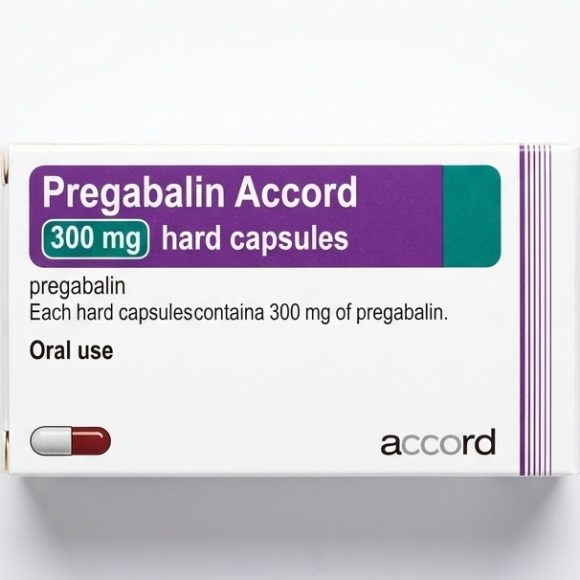
Pregabalin is only for adults. It is not suitable for some people. Do not give it to children under age 18.
Before your GP prescribes pregabalin, tell them if you:
- have any problems that affect your breathing
- had an allergic reaction to any medicine in the past
- have ever abused or been addicted to a medicine
- ever had alcoholism
- have heart disease
- have any serious medical conditions, such as liver or kidney disease
- take other medicines including medicines you buy from a pharmacy, herbal remedies or supplements
Pregnancy and pregabalin
Talk to your doctor or pharmacist before taking pregabalin if you:
- are pregnant
- think you may be pregnant
- are trying to get pregnant
Pregabalin should not be taken during pregnancy, unless your doctor advises it.
Your doctor will decide if the benefits of pregabalin outweigh the risks. If you take pregabalin and become pregnant, do not stop taking the medicine without talking to your doctor first.
If you take pregabalin for epilepsy, it is particularly important that this is well treated during pregnancy. Seizures can harm you and your baby.
Do not stop taking pregabalin without talking to your doctor first.
It’s recommended to use contraception while taking pregabalin. Tell your GP if you are planning to get pregnant. They may want to change your treatment.
Get enough folic acid if you’re taking pregabalin
If you’re trying to get pregnant or have become pregnant while taking pregabalin, it is recommended to take folic acid.
Ask your GP what dose of folic acid you should take.
Newborn babies and pregabalin
Your baby might need extra monitoring after they’re born if you take pregabalin around the time of giving birth.
This is because your baby might have pregabalin withdrawal symptoms.
Breastfeeding and pregabalin
If you’re breastfeeding or planning to breastfeed, talk to your doctor or pharmacist. Other medicines might be better while you’re breastfeeding, but they will help you decide.
Tiny amounts of pregabalin can get into breast milk. But it’s not clear if it can harm the baby.
Fertility and pregabalin
There’s no evidence to suggest that taking pregabalin reduces fertility in either men or women.
But speak to a pharmacist or your GP before taking it if you’re trying to get pregnant.
Contraception and pregabalin
Pregabalin does not stop any contraception working. You can safely use any type of contraception alongside pregabalin, including the combined pill and emergency contraception.
How and when to take pregabalin
Take pregabalin the way your GP tells you to.
You will usually take it 2 or 3 times a day.
You can take pregabalin with or without food, but you should take it the same way each day. Try to space your doses evenly throughout the day.
When you start taking pregabalin
Your GP will prescribe a low dose to start with and increase it over a few days. This is to prevent side effects.
It can take a few weeks or more for pregabalin to work.
You’ll usually take pregabalin:
- for many years if you have epilepsy, once your illness is under control
- for several months if you have nerve pain or anxiety – you may need to keep taking it to stop symptoms coming back
You may feel sleepy or dizzy after taking pregabalin. This may increase your risk of falling.
If you take too much pregabalin
If you take too much pregabalin you may:
- feel sleepy
- feel confused or agitated
- have a seizure
- pass out
If you forget to take pregabalin
If you forget to take a dose, take it as soon as you remember unless it is time for your next dose.
If you only remember within 2 hours of the next dose, leave out the missed dose. Take your next dose as normal.
Do not take 2 doses at the same time. Do not take an extra dose to make up for a forgotten dose.
Try to take pregabalin at the same time each day. Missing doses may trigger a seizure if you have epilepsy.
Set an alarm as a reminder if you often forget doses.
Stopping pregabalin
Do not stop taking pregabalin without talking to your GP, even if you feel fine.
Stopping pregabalin suddenly can cause serious problems, including:
- seizures that will not stop if you have epilepsy
- severe withdrawal symptoms including anxiety, pain and feeling sick
Talk to your GP about controlling withdrawal seizures and other symptoms by gradually reducing the dose of pregabalin.
Other withdrawal symptoms include:
- feeling agitated or anxious
- panic attacks
- your heart feels like it is beating irregularly (palpitations)
- difficulty sleeping
- shaking
- sweating
- aches and pain
- feeling restless
- headache
- diarrhoea
- flu like symptoms
- dizziness
See the patient information leaflet that comes with your medicine for a full list of possible withdrawal symptoms.
Side effects of pregabalin
Like all medicines, pregabalin can cause side effects although not everyone gets them.
Common side effects
Keep taking your pregabalin even if you get side effects. Tell a GP or pharmacist if the side effects bother you or do not go away.
There are things you can do to help manage common side effects:
- Feeling sleepy or dizzy
- Headache
- Diarrhoea
- Mood changes
- Feeling sick (nausea)
- Swollen hands, arms, legs and feet
- Blurred vision
- Memory problems
Serious side effects
Serious side effects from taking pregabalin are not common.
Tell your GP if you have a history of heart disease. Some patients with heart conditions have reported heart problems after taking pregabalin.
Contact your GP immediately if you or someone else has:
- difficulties breathing
- blurred vision, loss of vision or other changes in eyesight
- seizures
- thoughts of harming yourself or ending your life
- severe dizziness or passes out
- hallucinations (seeing or hearing things that are not real)
- problems going to the toilet, including blood in your pee, needing to pee more often, pain when peeing or constipation
Reviews
There are no reviews yet.